 Written by: French Canadian Roots
Posted on: June 30, 2026
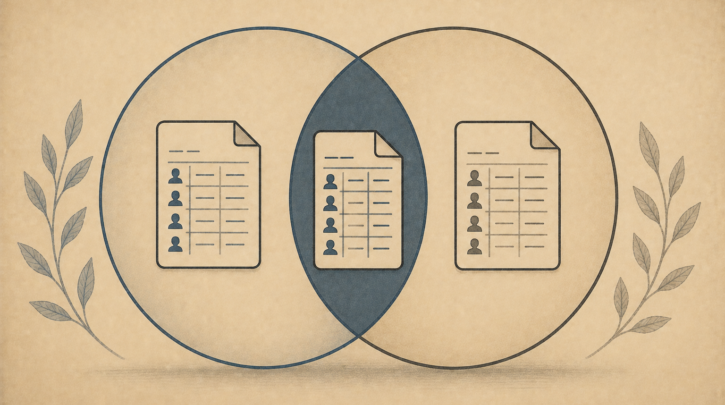
Généalogie Québec and BMS2000: Which Database Should You Use?
How Généalogie Québec (LAFRANCE + Drouin) and BMS2000 differ, what each covers, and how to use them together to find French-Canadian baptisms, marriages, and burials.
 Written by: French Canadian Roots
Posted on: June 30, 2026
Québec Parish Records: A Genealogist’s Guide to the BMS Registers
What Québec’s Catholic parish registers contain, how the baptism–marriage–burial (BMS) system works, where to find the records, and how to read them.
 Written by: French Canadian Roots
Posted on: June 30, 2026
Québec Notarial Records: The Genealogist’s Secret Weapon
Marriage contracts, wills, and estate inventories: how to use Québec’s vast notarial archives to confirm relationships and break through brick walls.
 Written by: French Canadian Roots
Posted on: June 30, 2026
BAnQ for Genealogy: How to Use Québec’s Free Archives
Bibliothèque et Archives nationales du Québec (BAnQ) offers free parish registers, notarial records, and more. Here’s how to use it for French-Canadian research.
 Written by: French Canadian Roots
Posted on: June 30, 2026
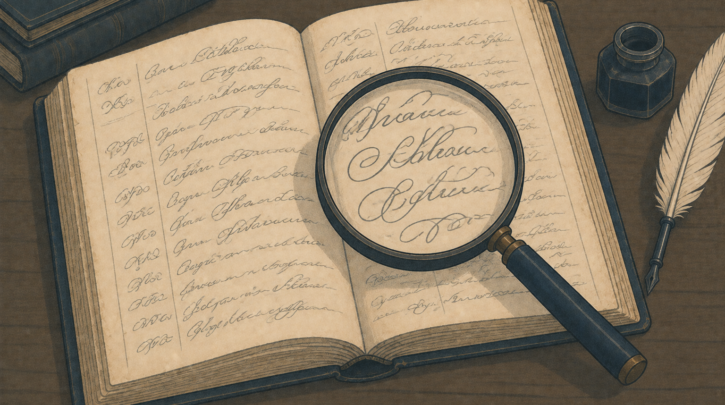
Reading Old French-Canadian Records: Paleography, Latin, and Old French
Learn to read old French-Canadian baptism, marriage, and burial records—the standard Latin and French formulas, abbreviations, dates, and handwriting.
 Written by: French Canadian Roots
Posted on: June 30, 2026
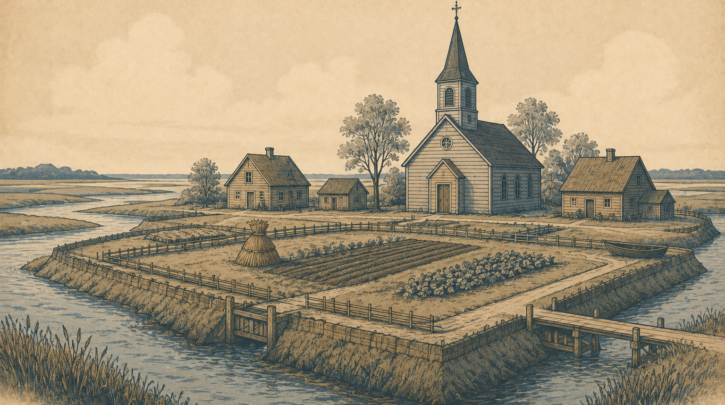
Acadian Genealogy: Tracing Roots in the Maritimes and Beyond
Acadian research differs from Québec genealogy. Learn the key records, the impact of the 1755 deportation, and how to trace Acadian and Cajun ancestors.
 Written by: French Canadian Roots
Posted on: June 30, 2026
Breaking Through French-Canadian Genealogy Brick Walls
Stuck on a French-Canadian ancestor? Proven techniques for common name confusion, missing records, dit names, and the immigrant-origin wall.
 Written by: French Canadian Roots
Posted on: June 30, 2026
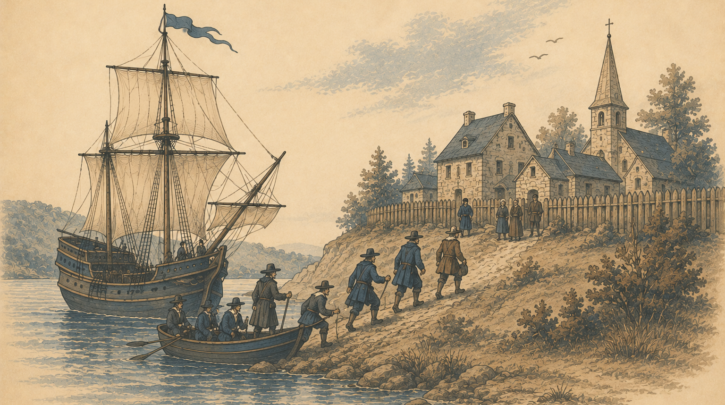
Finding Your First Immigrant Ancestor from France
Almost every French-Canadian descends from one of fewer than 10,000 founding immigrants. Here’s how to trace your line back to the ancestor who left France for New France.
 Written by: French Canadian Roots
Posted on: June 30, 2026
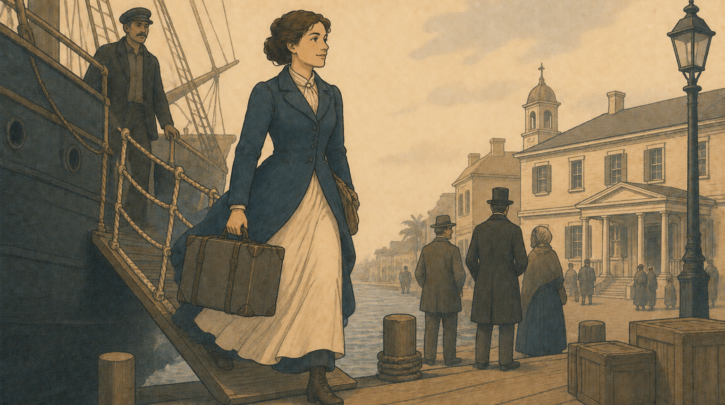
The Filles du Roi: Are You Descended from a King’s Daughter?
Who the Filles du Roi really were, why Louis XIV sent them to New France, and how to discover whether one of these 770 founding mothers sits in your family tree.
 Written by: French Canadian Roots
Posted on: June 30, 2026
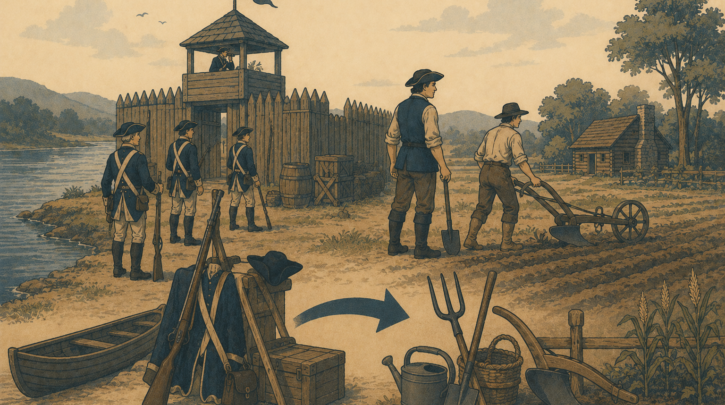
The Carignan-Salières Regiment: Soldier Ancestors of New France
The Carignan-Salières Regiment brought 1,200 soldiers to New France in 1665—and hundreds stayed to settle. Learn how to identify a soldier ancestor in your tree.